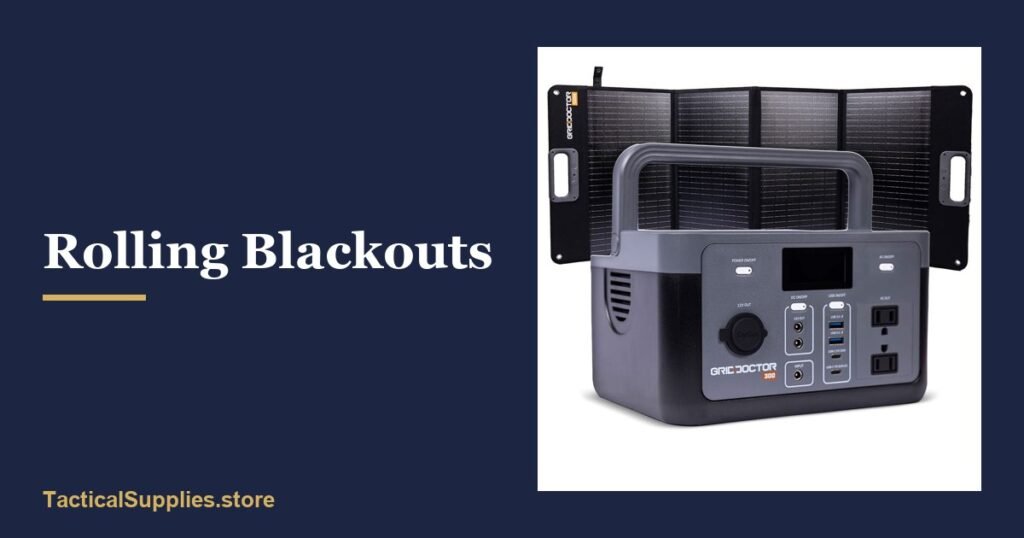
Rolling Blackouts: What They Are, Why They Happen and How to Prepare
Rolling blackouts are planned, rotating power cuts that grid operators use when demand outruns supply. Here is how they work and a simple plan to get your family ready.
How to prepare for and get through power outages: backup power, solar generators, safe heat, light, radios and cooking without power.
Rolling blackouts are planned, rotating power cuts that grid operators use when demand outruns supply. Here is how they work and a simple plan to get your family ready.
Space heaters are involved in most home heating fire deaths. These rules from the CPSC, NFPA and CDC help you prevent fires and carbon monoxide poisoning.

What goes into an off-grid solar power system, how to size it from your daily watt-hours, and why a whole-home setup is a bigger project than a portable solar generator.
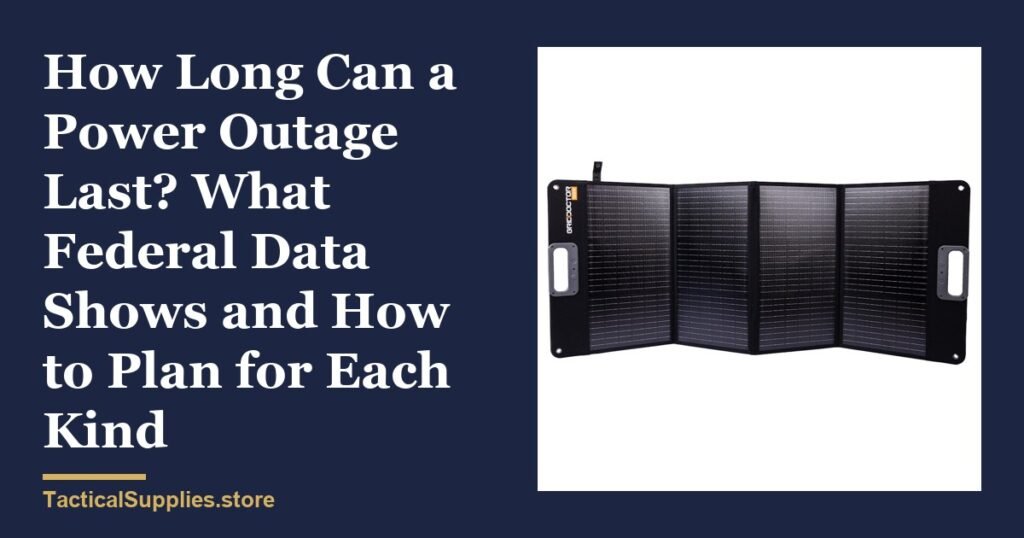
Most outages last a couple of hours, but major storms can mean days without power. Here is what federal data shows and three simple plans matched to each kind of outage.
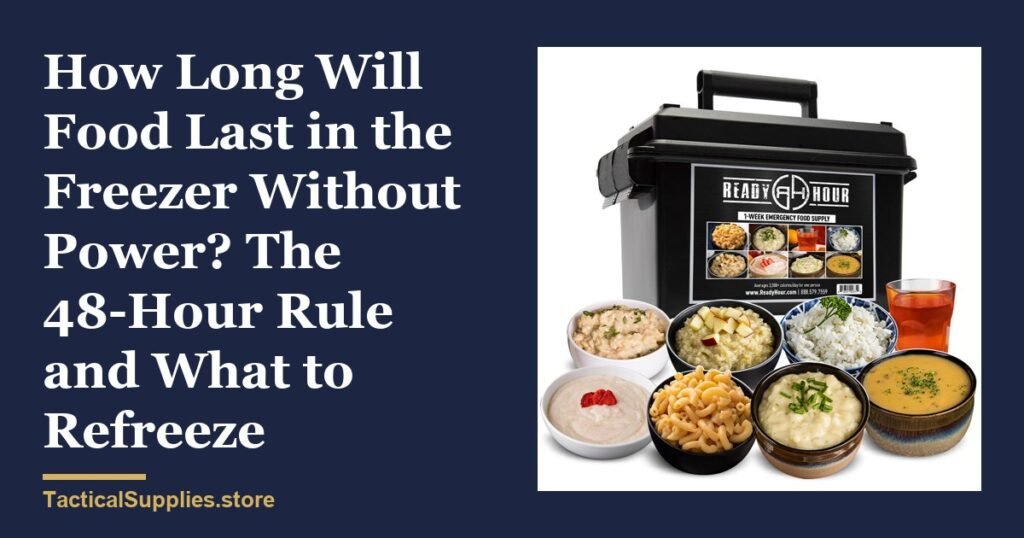
A full freezer keeps food safe for about 48 hours without power, and a half-full one for about 24. Here is how to stretch that time and exactly what you can refreeze.
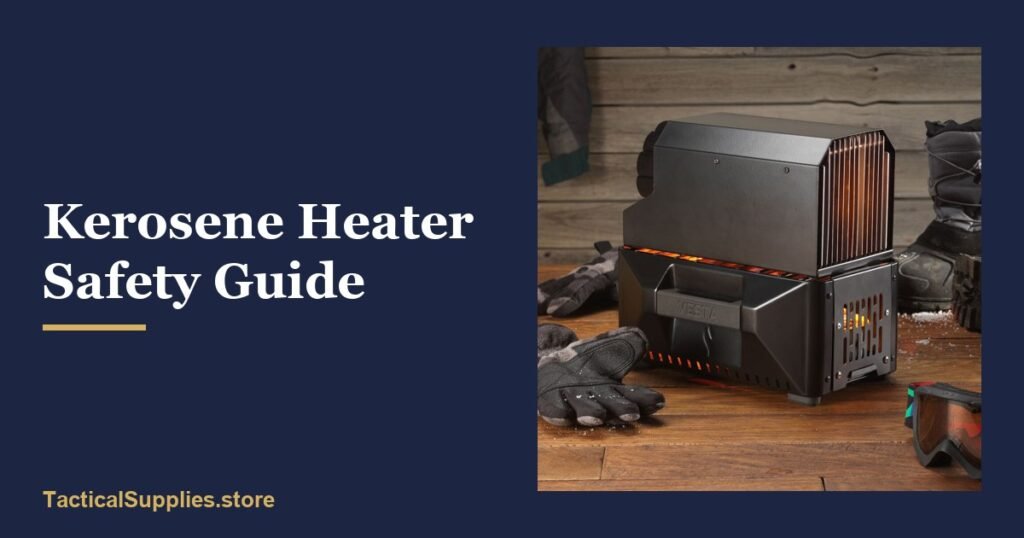
A kerosene heater can keep a room warm with no electricity, but only if you follow the fuel, ventilation and CO alarm rules every time. Here is what the CPSC and fire officials recommend.

An indoor propane heater can keep a room warm during a winter outage, if it is rated for indoor use and you follow a few rules. Here is what safety officials recommend.
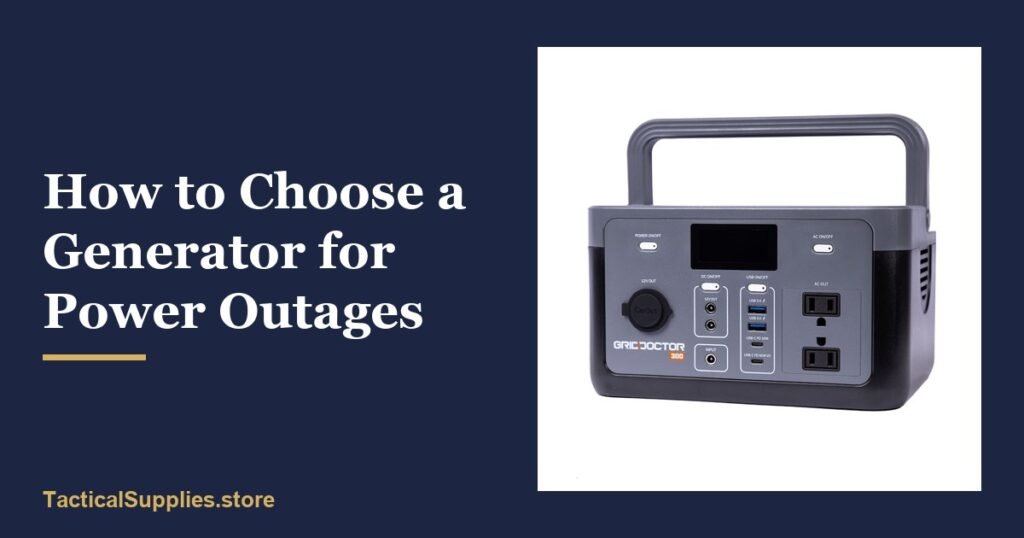
The right generator for power outage backup depends on what you need to keep running. Here is how to size one, gas vs. battery, and the safety rules that matter.

To keep a fridge running in an outage, a solar generator needs enough watts to start the compressor and enough watt-hours to last. Here is the simple math and which systems actually fit.

When the power goes out in winter, your home starts losing heat fast. Here is how to keep your family warm safely, without a generator.